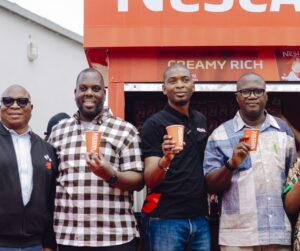

In a world where consumers are constantly bombarded with traditional advertisements, brands are finding innovative ways to stand out from the crowd. Unconventional marketing strategies are becoming increasingly popular, as companies seek to create memorable experiences that resonate with their target audience.
One notable example is Coca-Cola’s “Share a Coke” campaign, which replaced the brand name on bottles and cans with popular names among teenagers and young adults. This simple yet effective tactic encouraged customers to share photos of their personalized drinks on social media, generating massive buzz and increasing sales.
Another brand that has successfully employed unconventional marketing is Red Bull. By sponsoring extreme sports events and creating captivating content, Red Bull has established itself as a lifestyle brand that embodies adventure and excitement.
Other examples of unconventional marketing strategies include:
- Guerilla marketing: Using unexpected tactics like street art, flash mobs, or pop-up events to grab attention.
- Experiential marketing: Creating immersive experiences like installations, workshops, or activations that engage consumers.
- User-generated content campaigns: Encouraging customers to create and share content featuring the brand.
- Partnerships with influencers or artists: Collaborating with creatives to produce unique content or products.
- Ambient marketing: Using unusual spaces like public restrooms, parking tickets, or even snow to advertise.
These unconventional strategies demonstrate that thinking outside the box can lead to remarkable results. By pushing boundaries and challenging traditional norms, brands can create memorable experiences that resonate with their audience and drive business success.